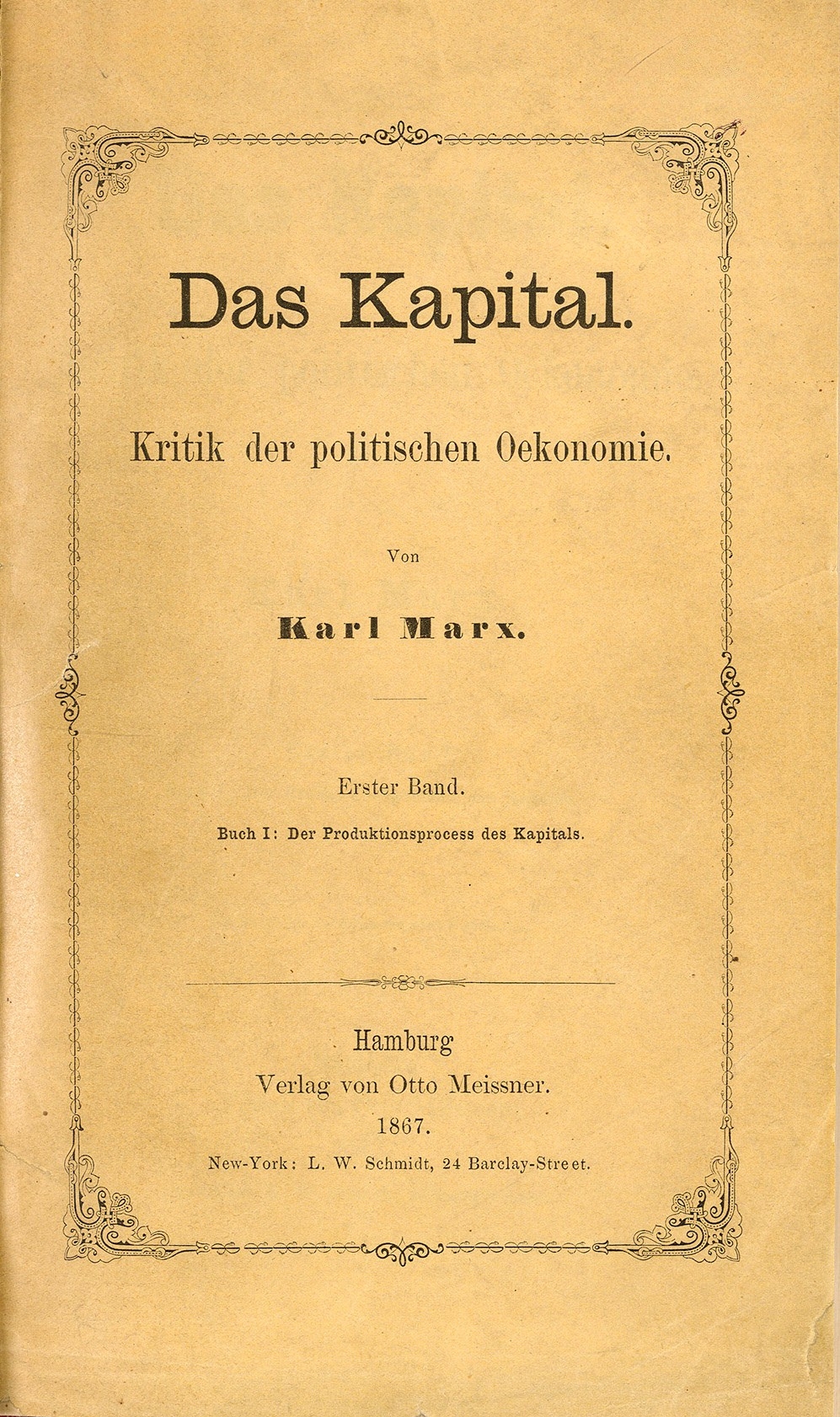
Reading Capital: The Commodity and the Two-Fold Character of Labor

Reading Capital: The Commodity and the Two-Fold Character of Labor

The first entry in a section-by-section reading of Marx’s Capital. We begin where he does, with the commodity and the labor behind it — use-value and value, socially necessary labor time, and the split between concrete and abstract labor — and set the major objections and replies side by side. These opening pages are the most contested in the history of economics, and almost everything in the thousand that follow is already loaded into them.
17 min read
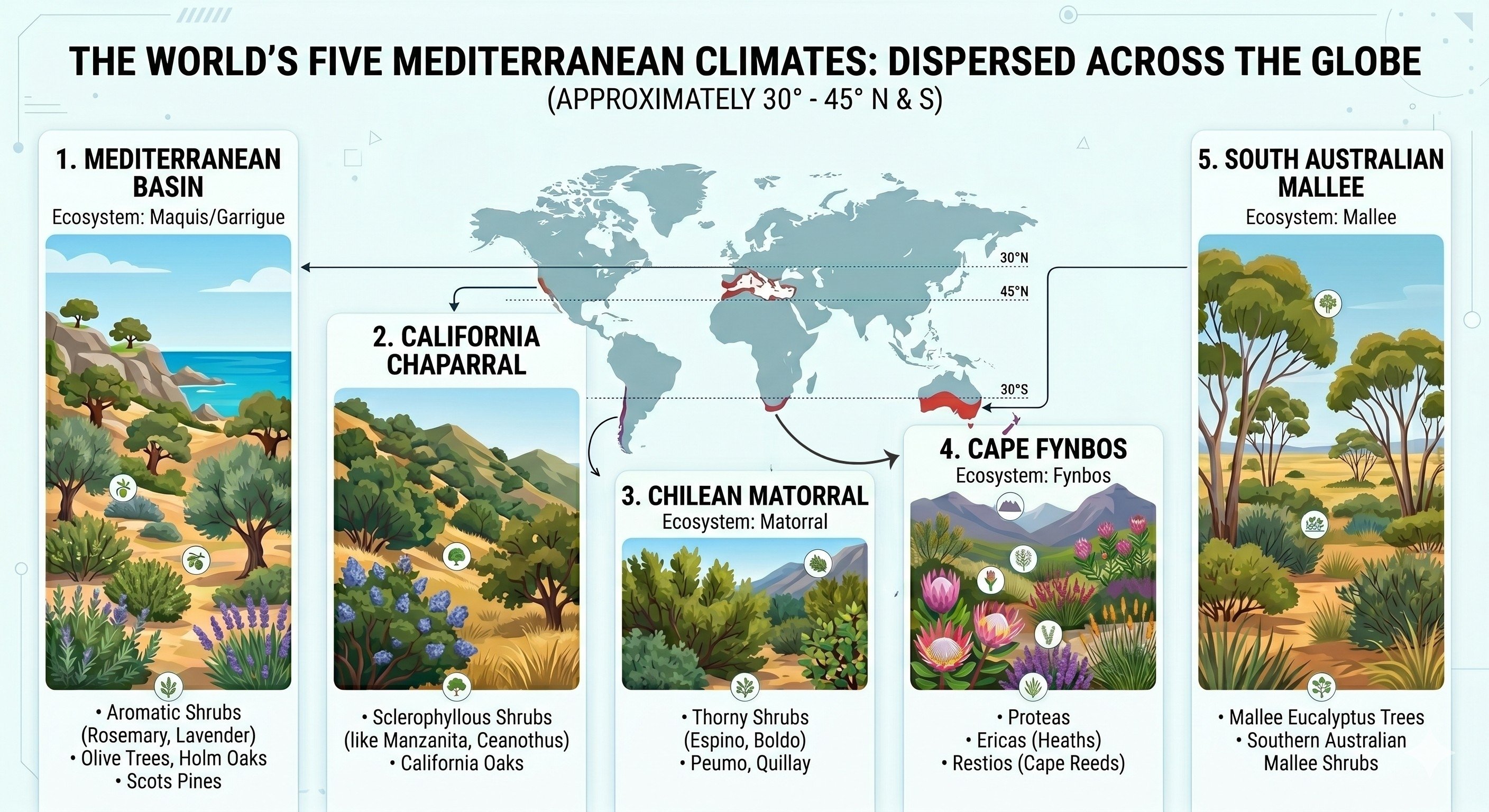
The Same Answer, Five Times Over: Convergent Evolution and the Paradox of Animal Diversity in the Mediterranean-Climate World

The Same Answer, Five Times Over: Convergent Evolution and the Paradox of Animal Diversity in the Mediterranean-Climate World

Across five geographically isolated Mediterranean-climate zones — the Mediterranean Basin, the California chaparral, the Chilean matorral, the South African fynbos, and the South Australian mallee — unrelated plant lineages have independently arrived at the same structural and biochemical solutions to summer drought and periodic fire. Why plants converge so dramatically while animals diversify turns out to illuminate something fundamental about the relationship between environment, evolution, and the structure of life.

11 min read
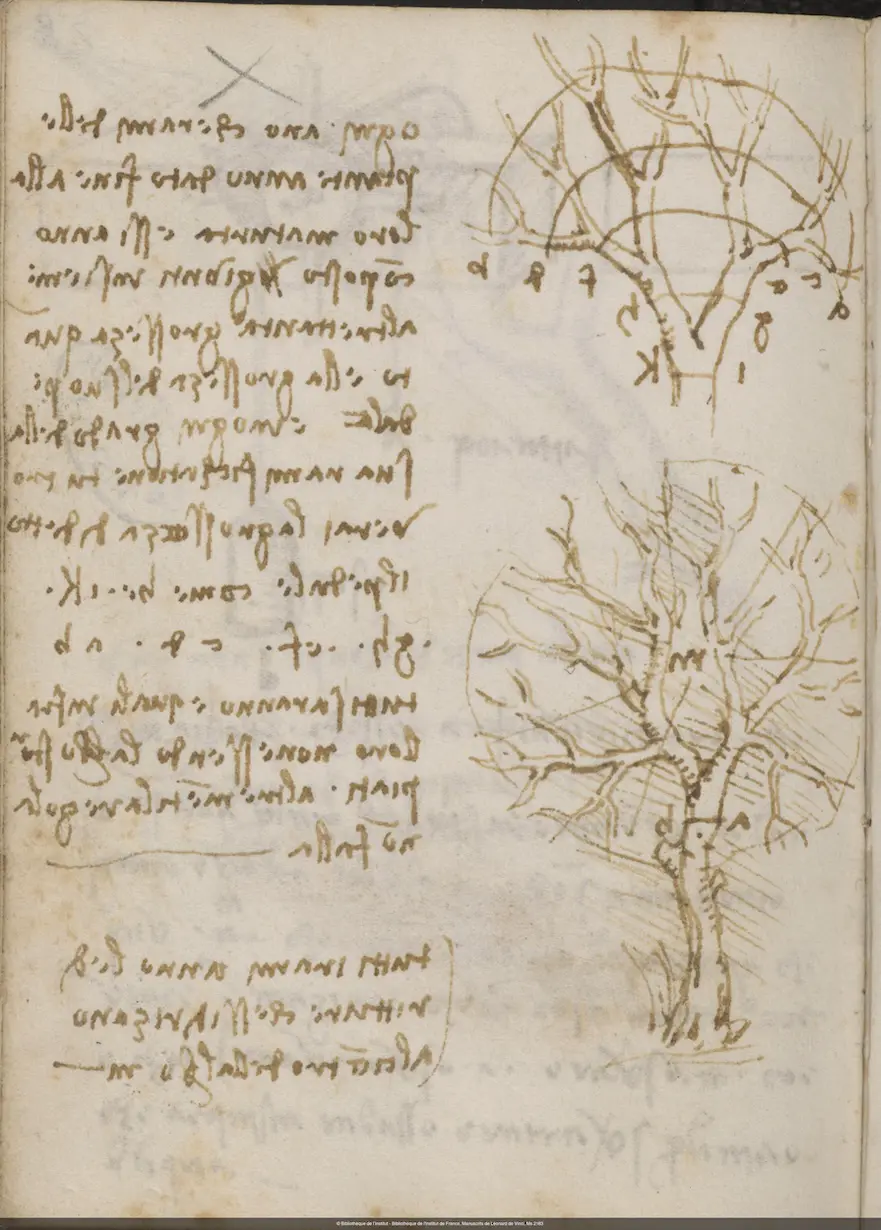
Leonardo da Vinci's Rule of Trees

Leonardo da Vinci's Rule of Trees

How a 500-year-old observation about tree branches reveals a fractal pattern in nature, and what modern science says about it.

3 min read
Whoever You Are Holding Me Now in Hand

Whoever You Are Holding Me Now in Hand

Walt Whitman’s “Whoever You Are Holding Me Now in Hand” personifies the book as the poet himself. It intimately warns the reader that the text resists easy possession, meditating on desire, reading, and the impossibility of fully knowing another.

3 min read

Dispatches