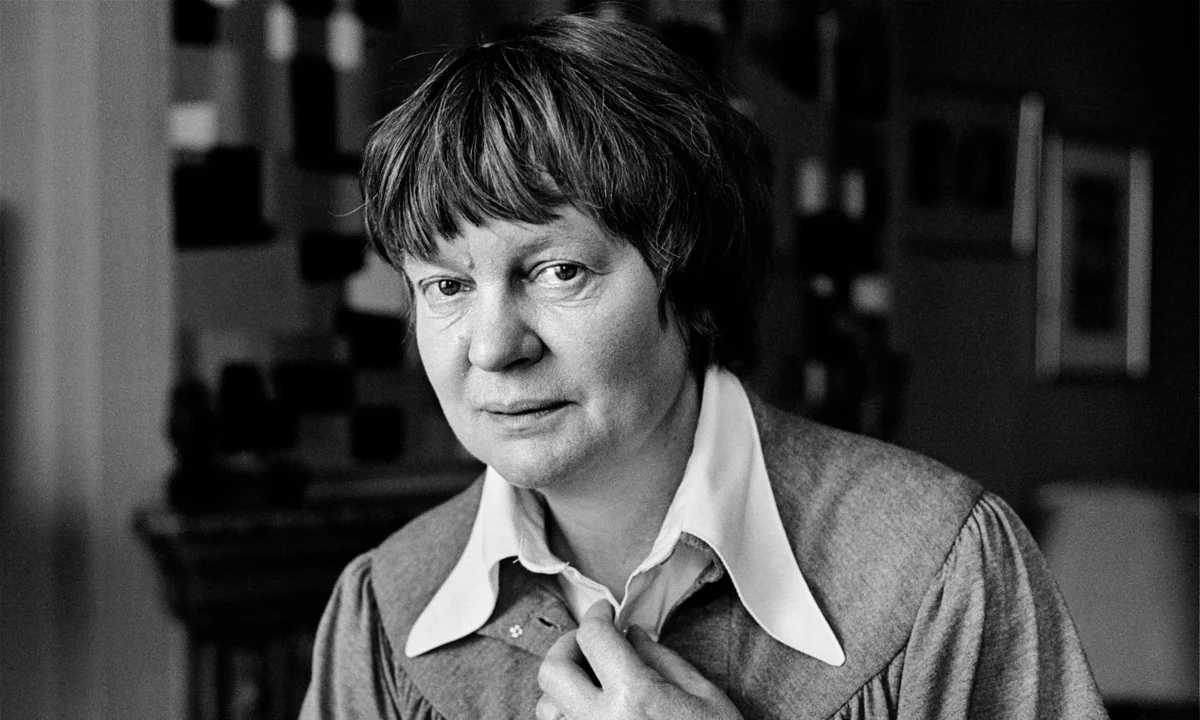
Iris Murdoch on Metaphor: The Sovereignty of the Good
Iris Murdoch held a singular perspective on metaphors, which she frequently explored in her philosophical writings.
Iris Murdoch held a singular perspective on metaphors, which she frequently explored in her philosophical writings.
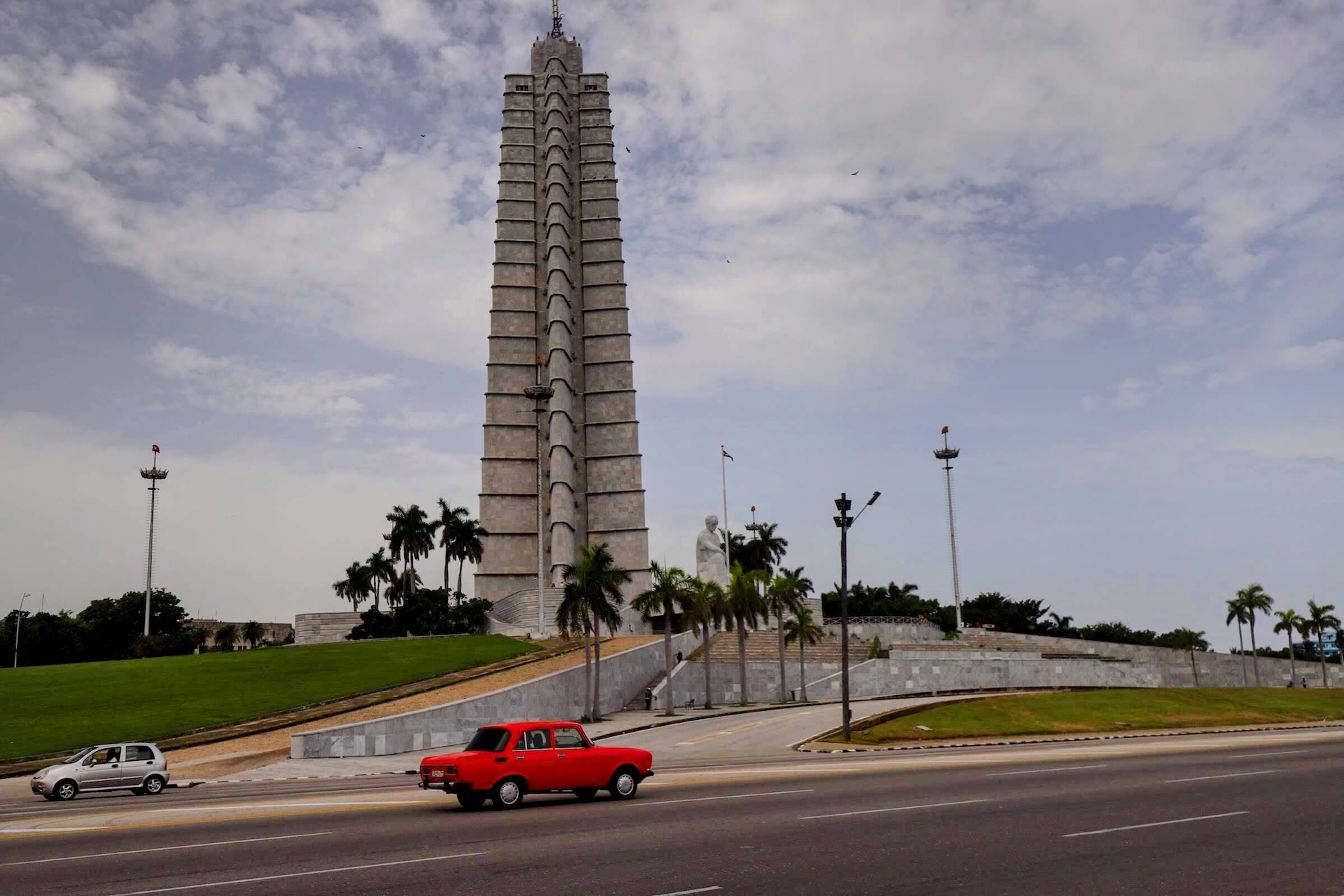
A three-day window in which the U.S. military posture for an attack on Cuba becomes public, Havana takes its case to the UN Security Council, and the energy blockade reaches into kitchens in Santiago. The pieces are in place; what remains undecided is whether Washington uses them.

Released two weeks before the Bay of Pigs invasion, the April 1961 U.S. State Department ‘White Paper’ outlined the official case against Fidel Castro, arguing that he betrayed the 1959 revolution’s democratic goals, aligned Cuba with the Sino-Soviet bloc, and sought to subvert neighboring Latin American democracies. Originally drafted by the Bureau of Inter-American Affairs, the 36-page document was extensively revised in the White House by presidential aides Arthur Schlesinger and Richard Goodwin.
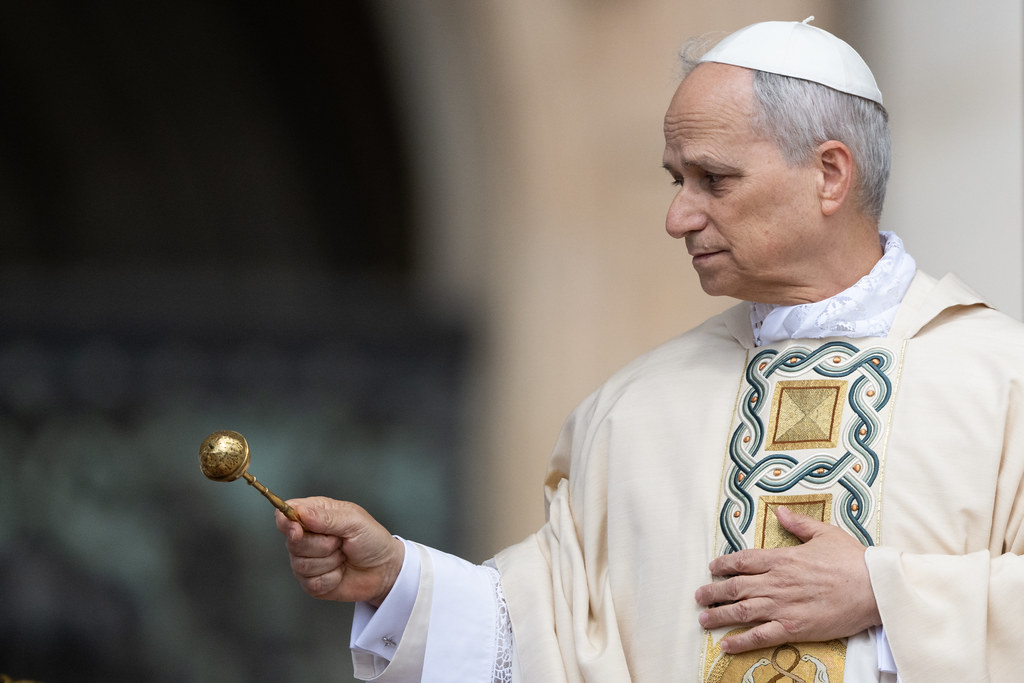
Leo XIV’s first major social encyclical takes up the res novae of AI and digital power as Leo XIII took up those of industrial capital and labor, organising its argument around the typological contrast between the Tower of Babel and Nehemiah’s rebuilding of Jerusalem.
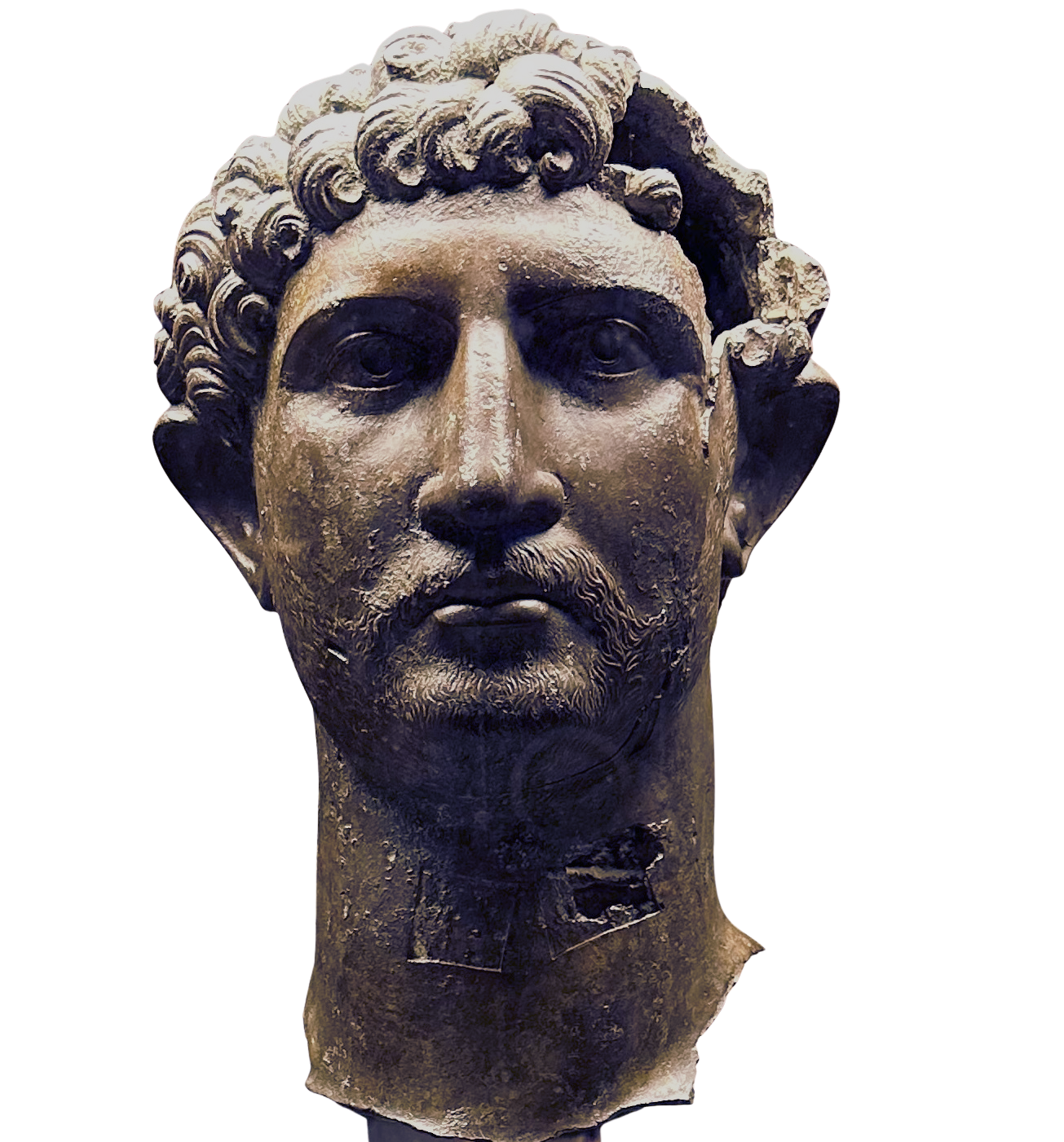
Yourcenar’s 1951 novel takes the form of a long letter from the dying Emperor Hadrian to his young successor Marcus Aurelius. A meditation on power, mortality, and what a life looks like from its far end.
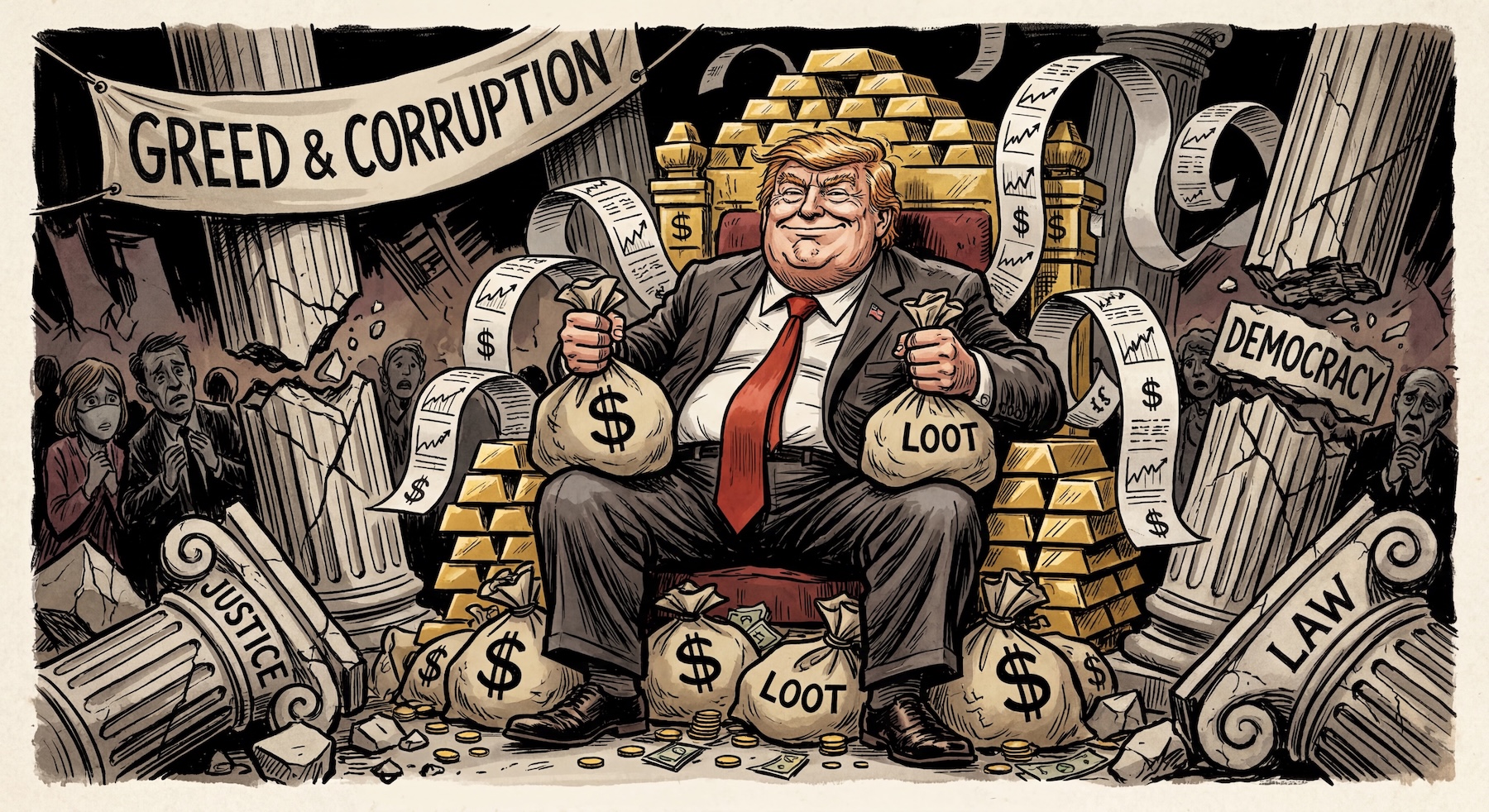
An analysis of the May 2026 DOJ–Trump settlement: the legal mechanics, the collapse of Article III adversarity, and the long arc from Nixon’s back taxes to the permanent shielding of a sitting president’s returns.
A media analysis of how the NYT, WSJ, Financial Times, Washington Post, NBC News, BBC, Politico, Politico Magazine, ABC, USA Today, and The Hill covered the $1.8 billion fund and the GOP revolt it triggered.
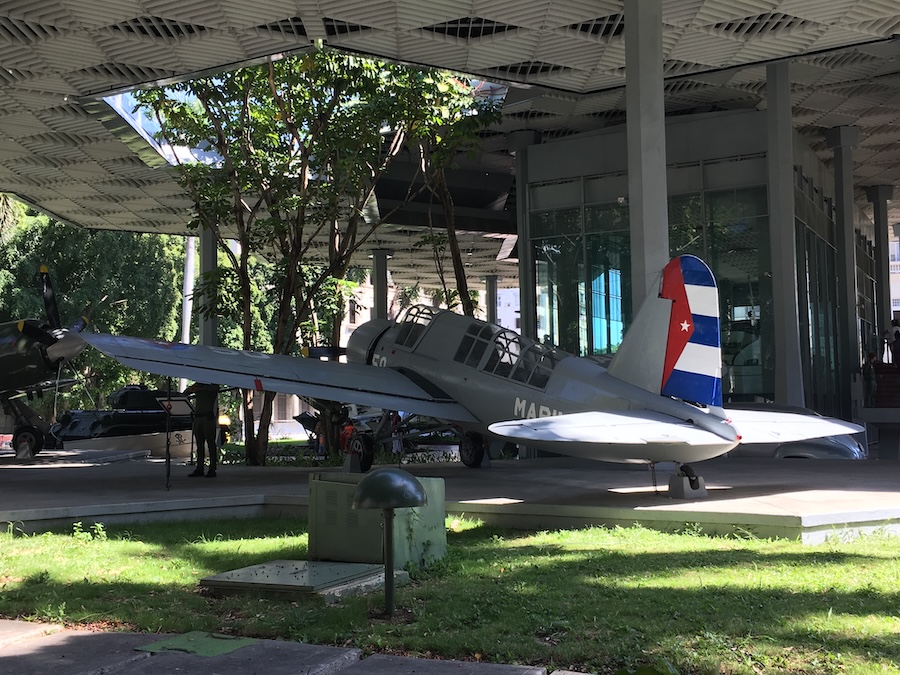
On May 21, 2026, four distinct but converging stories sharpened the U.S.–Cuba confrontation: an unsealed indictment of former president Raúl Castro, condemnations from Moscow and Beijing, an 8–1 Supreme Court ruling expanding Helms-Burton liability against major cruise lines, and a defiant mobilization by the Cuban government. Together they suggest a coordinated pressure campaign with parallels to the Trump administration’s earlier action against Venezuela.
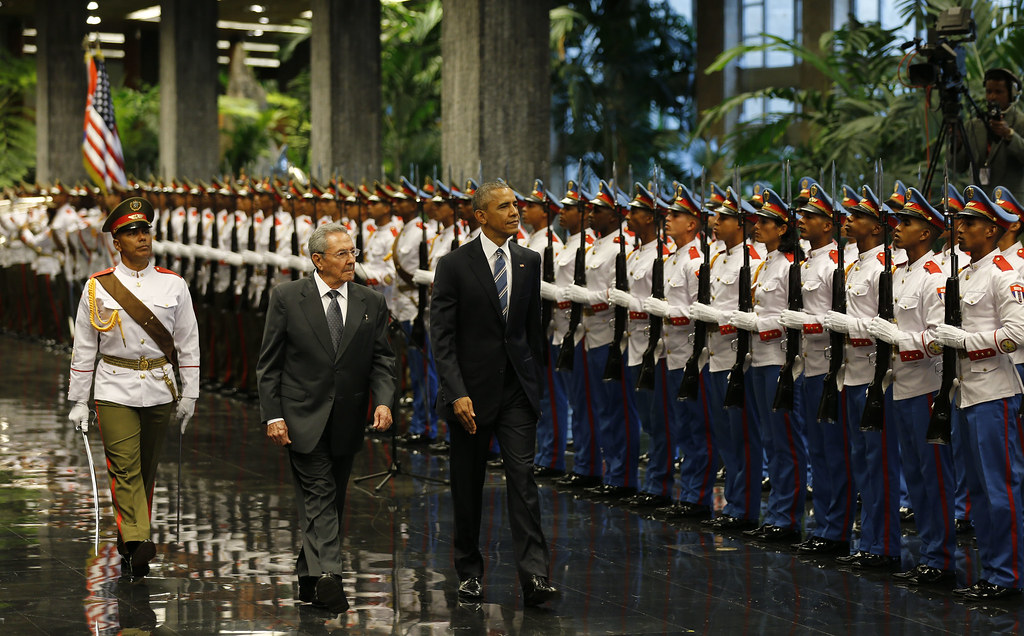
A federal indictment of Cuba’s 94-year-old former president lands on the anniversary of the end of US military occupation. It is both a real symbolic blow to the Cuban regime and a piece of carefully staged political theater. Reading the difference matters for assessing what comes next.
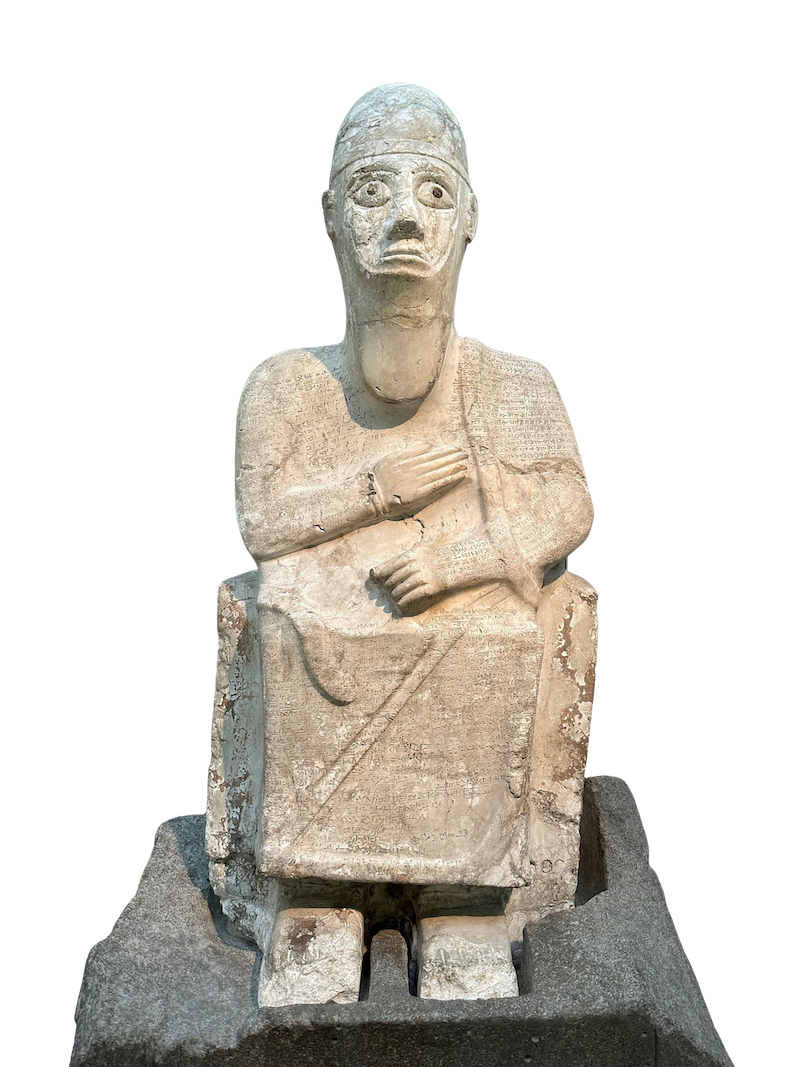
A 15th-century BCE statue from Alalakh tells the first-person story of a deposed prince who reclaimed his throne. A new analysis by Jacob Lauinger argues that the inscription was added long after the king’s death — and changes how we should read it.
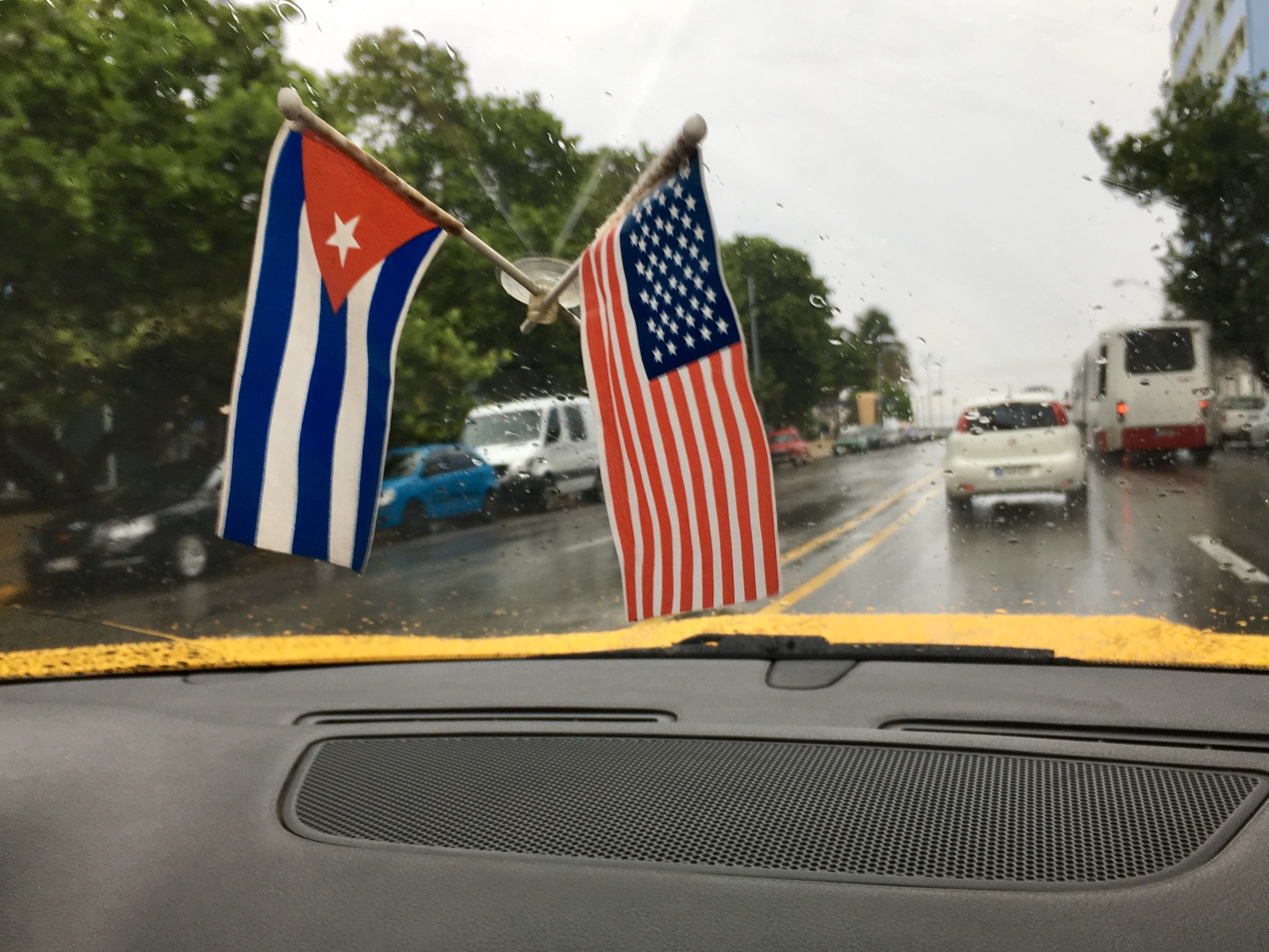
As the Trump administration tightens its pressure on Havana in 2026 — sanctions, an oil blockade, a surprise visit by the CIA director — this essay traces the long arc behind the standoff: from the Monroe Doctrine through the Platt Amendment to Batista and the revolution. The patterns in today’s headlines are as old as the relationship itself.
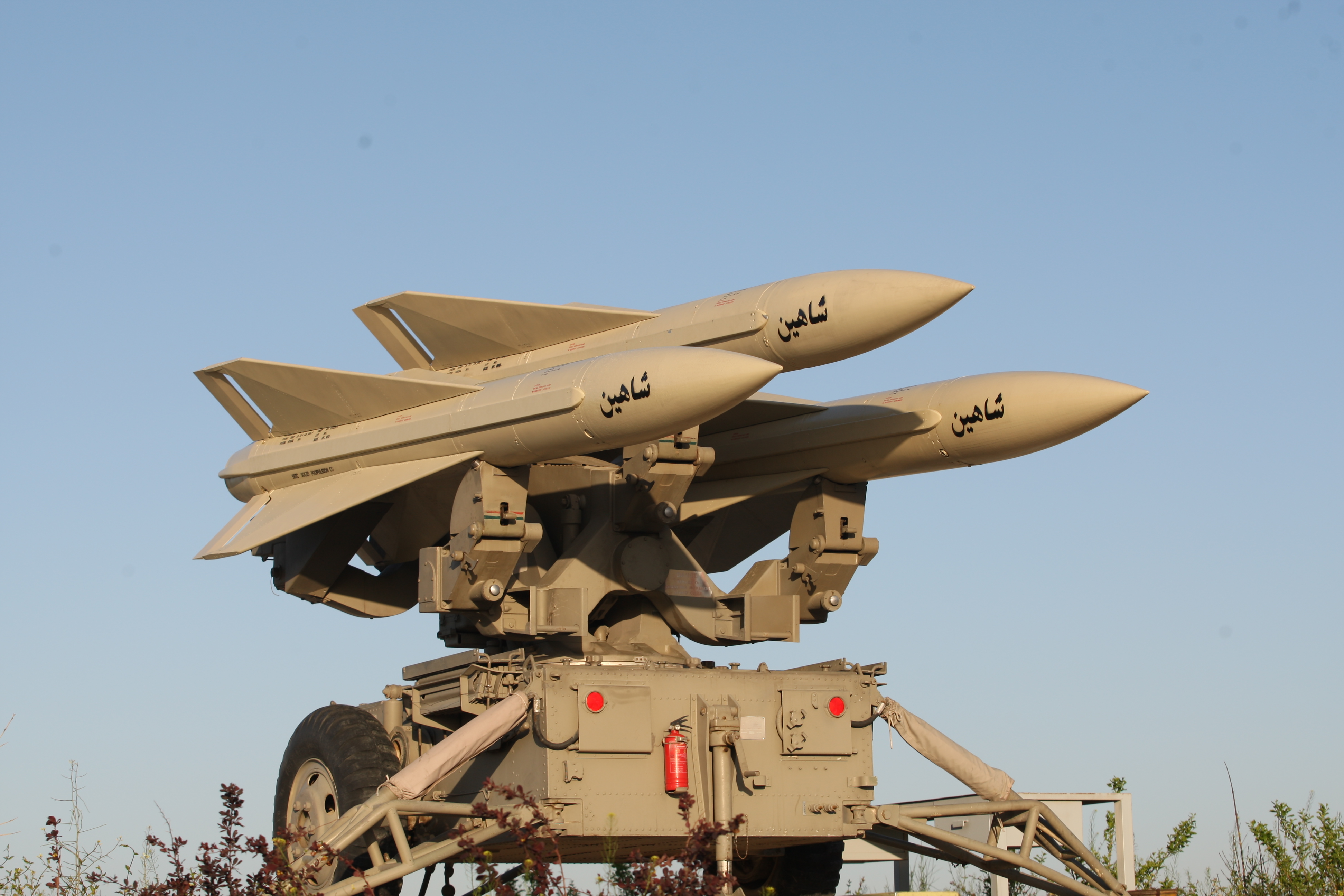
An analysis of the regional order taking shape after the U.S.-Israeli war with Iran, the Hormuz blockade, and the slow collapse of American security guarantees in the Gulf.