↑
Attention and Its Conditions: Is Virtue Ethics an Aristocrat's Ethics?

Attention and Its Conditions: Is Virtue Ethics an Aristocrat's Ethics?

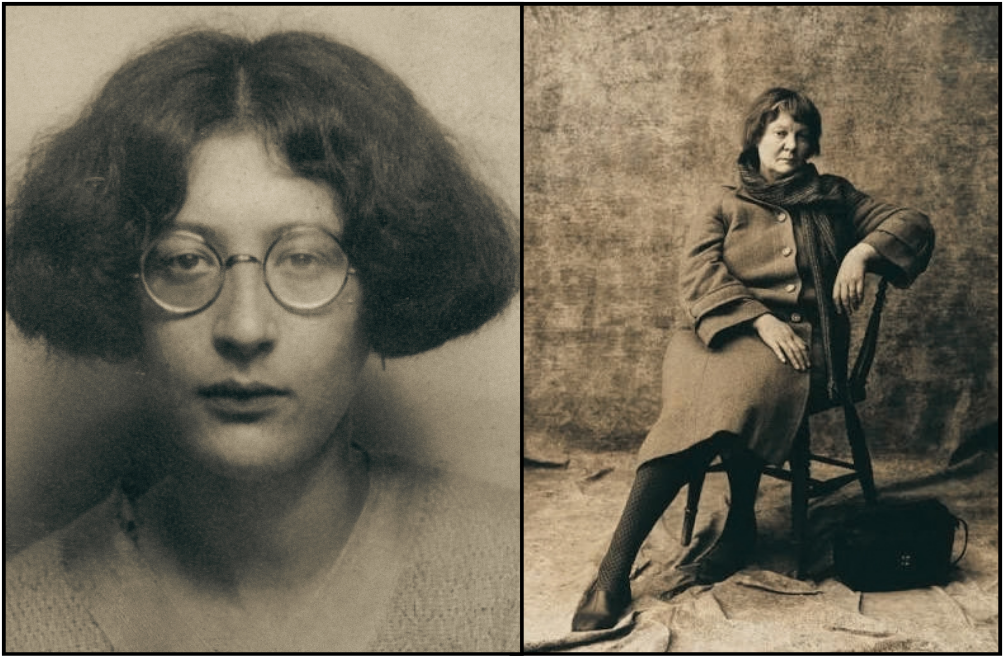
Most people are too busy surviving to cultivate an inner life. Does that make virtue ethics, from Aristotle to Iris Murdoch, a philosophy for the leisured few? The objection lands with very different force on each, and in its strongest form it turns from a refutation into a political demand.


11 min read
Linked, in Some Way, Shape, or Form

Linked, in Some Way, Shape, or Form

The State Department’s new report on Cuba staples a documented Cold War history to an undocumented present, and asks the reader not to notice the seam. Its most revealing sentence is the hedge at its center — a causal claim engineered to be unfalsifiable, published at the precise moment Washington needs a predicate.

7 min read
Iris Murdoch on Metaphor: The Sovereignty of Good

Iris Murdoch on Metaphor: The Sovereignty of Good

For Iris Murdoch, metaphor is not ornament but the medium of moral vision. In “The Sovereignty of Good over Other Concepts,” she turns Plato’s Sun into an argument about attention, humility, and a Good that is real, indefinable, and always further on.

11 min read
Mythos and Logos: What Was Genuinely New in the Presocratics

Mythos and Logos: What Was Genuinely New in the Presocratics

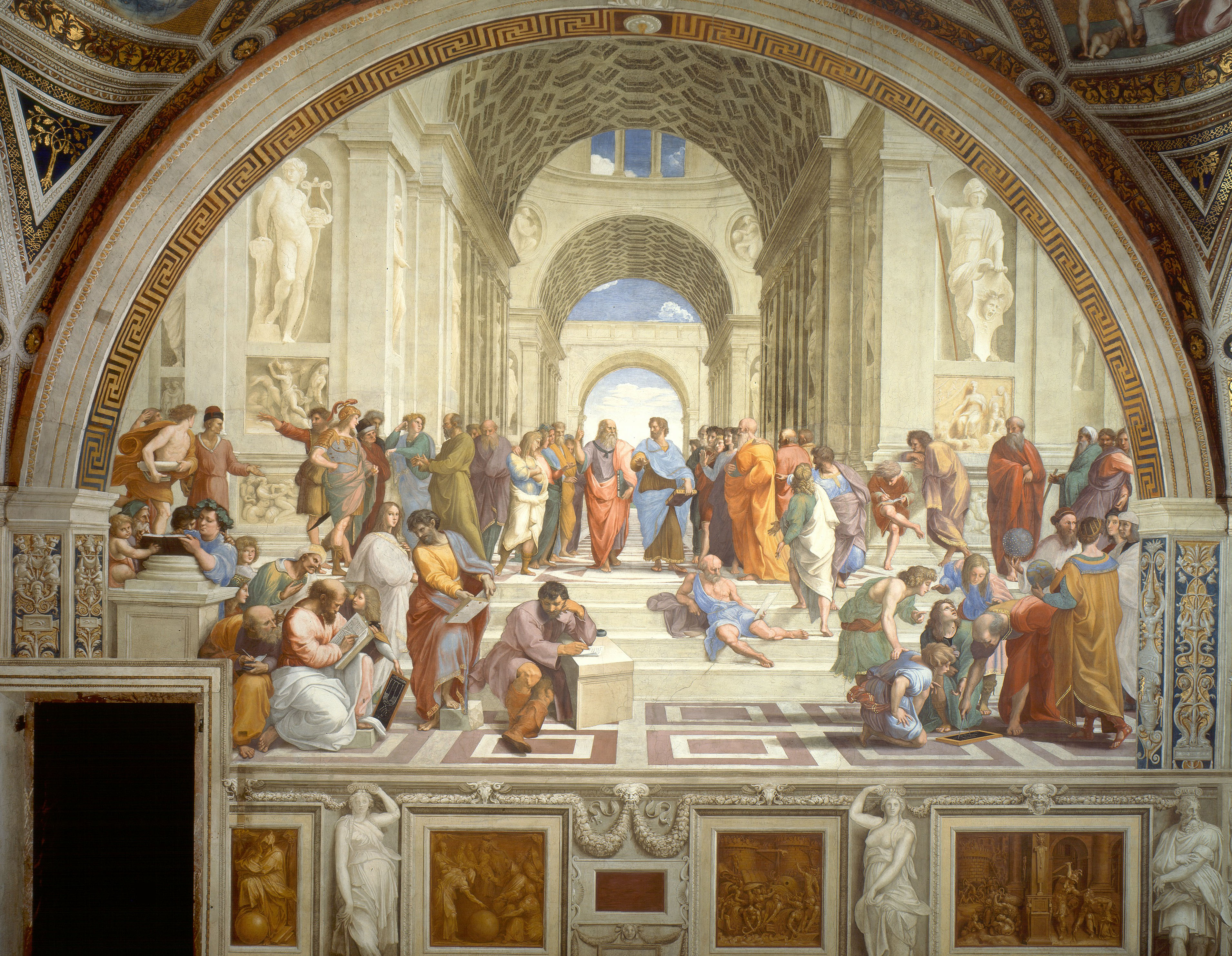
People often call the Presocratics the first masters of reason. That gives them too much credit and misunderstands them at the same time. Careful thinking is far older than Miletus, and the cool logicians of the modern portrait were in fact poets, healers, and cult founders, as E. R. Dodds showed in The Greeks and the Irrational. Yet something really did change in the Greek texts, something that survives Aristotle’s attack on Heraclitus and its modern echo. This essay tries to say clearly what that something was.

26 min read
Whoever You Are Holding Me Now in Hand

Whoever You Are Holding Me Now in Hand

Walt Whitman’s “Whoever You Are Holding Me Now in Hand” personifies the book as the poet himself. It intimately warns the reader that the text resists easy possession, meditating on desire, reading, and the impossibility of fully knowing another.

3 min read